
"coffee growing regions"
10000 article(s) found

Dominica Coffee Regional Coffee characteristics description of Dominica Coffee Flavor and introduction of producing areas
Professional coffee knowledge exchange more coffee bean information please follow the coffee workshop (Wechat official account cafe_style) Dominica formally established diplomatic relations with China in May this year, is the second largest country in the Caribbean region. The history of coffee cultivation in Dominica can be traced back to the early 18th century. It is one of the first countries in the region to grow coffee, and the coffee is of high quality. Dominique

Colombia Fine Coffee Beans Vera Province Snail Manor Round Beans PB Wash Beans Growing Environment and Mouth
Professional coffee knowledge exchange More coffee bean information Please pay attention to coffee workshop (Weixin Official Accounts cafe_style) Colombia fine coffee beans Vera snail manor round beans PB washed beans planting environment and taste characteristics? Colombia Vela snail estate washed round beans Caturra species 1700M Flavor description: ripe plum fruit, caramel sauce, toast sweet

Full-bodied, spicy Coffee from Cedar Mochizo Coffee Flavor and Manor characteristics
Local small farmers began growing organic coffee in 2001 and work closely with medium-sized coffee producers because they are familiar with how to grow forest coffee in the highlands. It is one of the micro-producing areas with regional characteristics in the Sidamo producing area. The coffee in this region is quite unique, and the coffee produced is often noticed by the market. Ninety Plus's legendary beans (nekisse)

An introduction to the Coffee Manor in the Coffee producing area of the Vivette Nan Fruit region in Guatemala in the Northwest Highlands
Vivette Nan Fruit is located in the highlands of northwestern Guatemala, growing at an altitude of 1800-2100 meters. It is the highest coffee-producing area in the country and is famous for producing high-quality beans. Because there are many rivers and lakes in Guatemala, the Vivette Nanguo region is rich in mountains and water resources, dry climate but abundant water resources, and complete water conservancy facilities in this area, so coffee is often washed and added.

Flavor description of Honduran coffee beans introduction to the regional treatment of manor varieties
The term "fine coffee" was first put forward by Ms. Knudsen of the United States in the Coffee and Tea magazine. At that time, as a coffee buyer at B.C. Ireland in San Francisco, she ignored the quality of raw coffee in the industry, and even some big roasters mixed a lot of beans.

Coffee originates from Ethiopian coffee bean variety brand manor region taste introduction
Coffee originates from Ethiopian coffee bean variety brand manor area. 1. Limu coffee grows between 1400 meters and 2000 meters above sea level. Wash the coffee. Excellent quality, with strong nut aromas, suitable acidity, with the intensity of wine. The annual output is 29000 tons. 2. Jima Coffee grows between 1400 and 1800 meters above sea level. Sun-baked coffee. Slight acid, yes
Introduction of Fairtrade Fine Coffee Bean Flavor growth characteristics in five Coffee producing areas of Rwanda
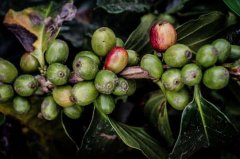
Overall, coffee from Rwanda is more rated than coffee from neighboring Zimbabwe and Zambia, but it has not yet been recognized by coffee from Kenya and Tanzania. Rwanda also produces Fairtrade coffee beans. There are several high-altitude Rwanda from Rwanda on the front street, which is suitable for growing boutique coffee. The main coffee-growing areas have volcanic soil rich in nitrogen. Major coffee growing areas

Costa Rica St. Roman Manor Coffee beans what are the characteristics? how much is the St. Roman Manor Coffee?
Professional barista exchanges please follow the coffee workshop (Wechat official account cafe_style) Costa Rica St. Roman Manor coffee beans what are the characteristics of St. Roman Manor Coffee how much coffee how much is it: 1200-1900m Harvest: November March Costa Rica San Rowan processing Plant Coffee production area: Tarrazu Coffee Variety: Caturra.Catuai Annual rainfall: 2000 mm Classification Standard

SASINI Manor in the Central Mountain area of Nyeri, a coffee growing region in Kenya.
Kenyan coffee is mostly grown at 15002100 meters above sea level and is harvested twice a year. Kenyan industrious people love coffee as much as lovers in love. Accounting for 55% of Kenya's total coffee production (40% of the number of estates) is run by numerous small operators. Seeing that coffee is absolutely profitable, these small operators continue to improve their interest to farmers.

Columbia Linglong Coffee Bean Flavor description introduction to the Regional treatment method of Grinding scale production
Columbia Linglong Coffee Bean Flavor description, Grinding scale production area treatment method introduces that the specific range of elevation can exceed 2.000 meters. A special combination of factors, latitude, altitude, soil, plant origin of species and varieties of coffee in Colombia's coffee growing areas, rain patterns produced by the climate and tropical convergence of the coffee growing areas.

Description of characteristics and Flavor of Ugandan aa Coffee Bean introduction to Regional treatment of Taste production
Uganda aa coffee bean characteristics flavor description regional treatment method Uganda coffee growing industry is one of its export pillar industries, Uganda is the birthplace of Robsta in Africa, just as Ethiopia is the origin of Arabica coffee, Robster coffee was first found in Uganda. So far, Uganda has a history of growing coffee for more than 100 years. The output is in Africa.

Guatemala has what coffee producing area Guatemala grows coffee varieties Introduction
Professional coffee knowledge exchange More coffee bean information Please pay attention to coffee workshop (Weixin Official Accounts cafe_style) Guatemala has eight coffee producing areas, with tropical rain forest, volcanic geology, plateau vertical valley, and adjacent Atlantic Ocean and Pacific Ocean interweaving more than 300 kinds of micro-climate, thus creating unique flavor of each different region. Among them is Antigua.

Coffee Bean planting process-Coffee Bean growing region of Latin America
The planting process of coffee beans-the growing area of coffee beans in Latin America enters the peak period about 1-2 years after the first production period. Coffee trees generally bloom in 3-4 years, about 2-3 months a year, and their appearance and smell are similar to those of jasmine. the flowering period is 3-5 days. After the flowers bloom, they bear small green fruits, which ripen and turn red into ripe fruits that can be picked after a few months. Mature

Indian Coffee Historical Origin planting region-Indian Coffee characteristics-introduction to Indian boutique Coffee Brands
Professional coffee knowledge exchange more coffee bean information please follow the coffee workshop (Wechat official account cafe_style) 1. Country profile: India is one of the four ancient civilizations in the world. The Indus civilization was created between 2500 and 1500 BC. In 1600 the British invaded and established the East India Company. It became a British colony in 1757. August 15, 1947, partition of India and Pakistan, India
Introduction of Coffee from the Baru Volcano region in the Bokui Special region of Panama
The coffee in the Baru volcano region of Bokui, Panama, has a very beautiful name, Flower Butterfly. This coffee, composed of Rosa, Kaddura and Kaduai, grows in a volcanic area 1600 meters above sea level. The treatment plant uses fine washing treatment, which is caused by the special local microclimate of Panama.

Taste and Flavor description of Honduran Coffee beans Variety characteristics Regional treatment
The taste and flavor of Honduran coffee beans describe the characteristics of the varieties. The treatment method is medium or light acidity, which is obvious but not strong. Sometimes it has a beautiful floral or fruity aroma (generally speaking, beans produced in different regions and at different elevations have different performances). It is not at all associated with the unrest of the country. Bitterness and obvious sweetness. Honduras

How to describe the Flavor of Yunnan small-grain Coffee introduction to the regional treatment of varieties
How to brew Yunnan small-grain coffee flavor description of the variety production area treatment method introduces that the quality of coffee depends on the growing environment, climate, cultivation and management techniques and other factors. Its best growing environment is low latitude, high altitude, sufficient rainfall and suitable sunshine, so the north latitude is 15. The ideal growing area for coffee is between the Tropic of Cancer and the Tropic of Cancer. But in other parts of this zone, such as
Ethiopia washes Sidamo G1 Shakiso shakisso boutique coffee beans planting situation, geographical location and climate
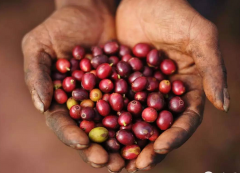
Ethiopian Sidamo is a type of single origin that grows in Arabica coffee in Ethiopia's Sidamo province. Like coffee in most African countries, Ethiopian Sidamo is characterized by small gray beans, but characterized by its rich, spicy, wine or chocolate-like taste and floral aroma. The most distinctive flavors found in all Sidamo coffee are lemon and citrus, bright.

Description of bitter and sweet flavor of Jamaican coffee beans introduction to the method of regional treatment of varieties produced by grinding scale
The earliest coffee on the island of Jamaica came from Haiti in Latin America in 1728. By 1790, some coffee farmers among the refugees in exile from Haiti had settled in the Blue Mountains and brought coffee-growing technology here. In 1838, Jamaica abolished slavery and allowed liberated slaves to cultivate their own land. Free slaves moved to the mountains to specialize in planting.

Colombia Matambo Forest Coffee Bean three Coffee growing areas characteristic four Coffee Bean producing areas
Professional coffee knowledge exchange more coffee bean information Please pay attention to the coffee workshop (Wechat official account cafe_style) with the equator as the center, in the tropics and subtropics between latitudes of about 25 degrees north and south, it is the most suitable area for growing coffee. However, good forests can not be cultivated anywhere in the region. The three major coffee growing areas in this section are as follows: